



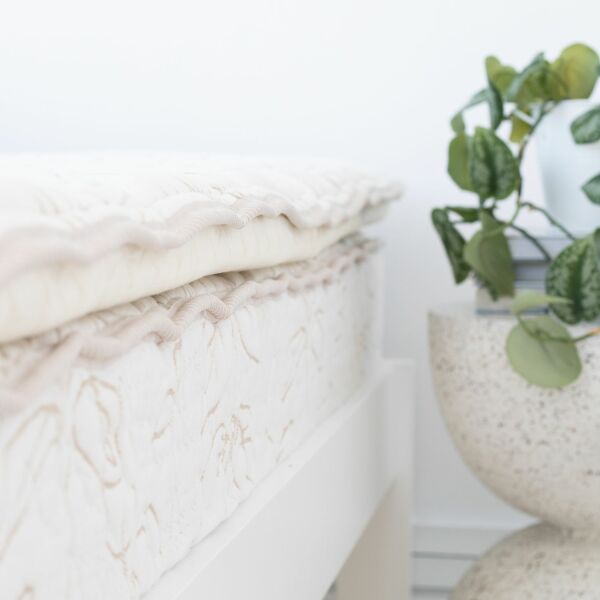
Do you actually need a mattress topper?
A topper works best when the mattress underneath is still structurally sound but the comfort layer has softened over time, or you'd simply like a different feel. If the mattress itself is sagging, a topper will follow the same contours and won't fix the problem. Our guide Mattress Toppers: Do You Actually Need One? explains when a topper makes sense and when a new mattress is the better investment.
Choosing the right topper
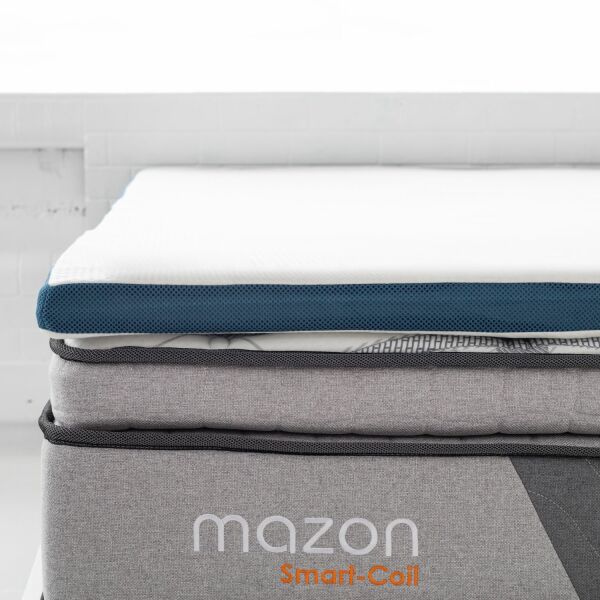
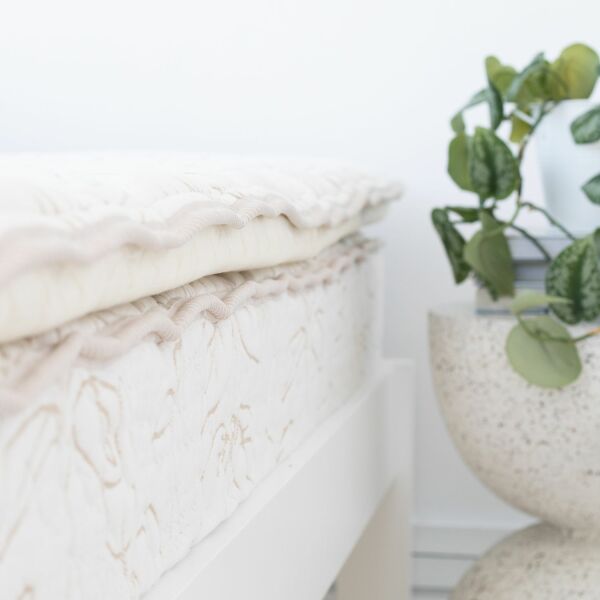
Thickness matters. A 50–75mm topper adds a noticeable change in feel; anything thinner tends to have a minimal effect. Material also plays a big role: wool toppers add warmth and natural moisture wicking, making them ideal for winter. Cooling gel or phase-change materials work in the opposite direction, drawing heat away from the body — a good choice for hot sleepers or warmer months. Memory foam toppers conform closely to body shape, offering pressure relief particularly for side sleepers.
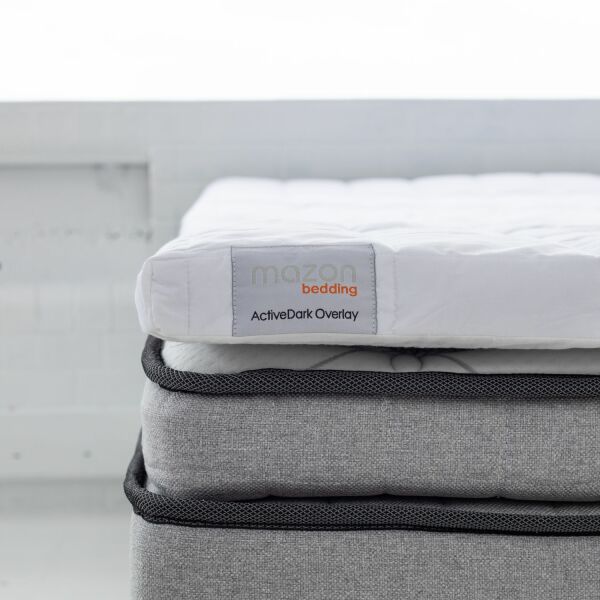
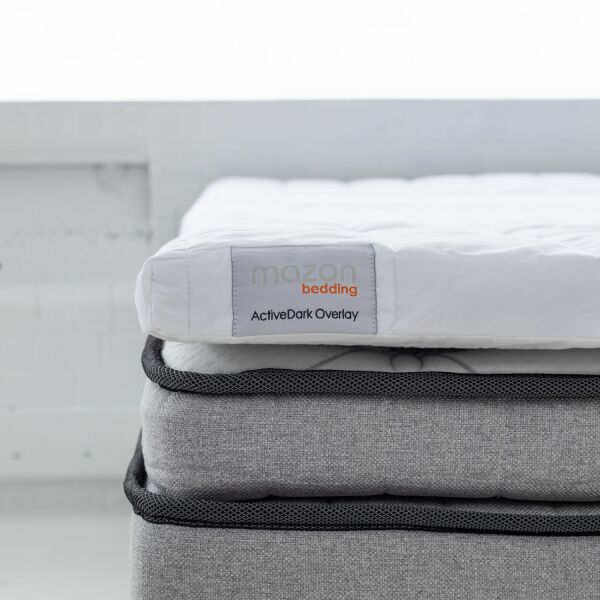
Each type suits a different situation. Wool (the Woola Topper) adds warmth and natural moisture wicking for winter. Charcoal-infused visco (the ActiveDark Topper) regulates temperature and is resistant to dust mites, mould and bacteria — a good pick if you sleep warm or want a lower-maintenance, hygienic option. Hollow-core fibre (the Airfibre Topper) stays lofty, breathable and fully machine washable — the simplest, most affordable entry point. Memory foam (the Align Topper) conforms closely to the body for the most pressure relief, particularly for side sleepers.
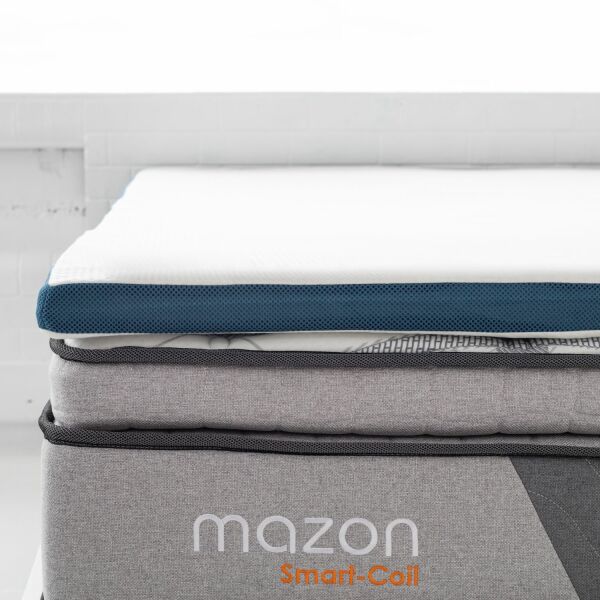
Care and fitting
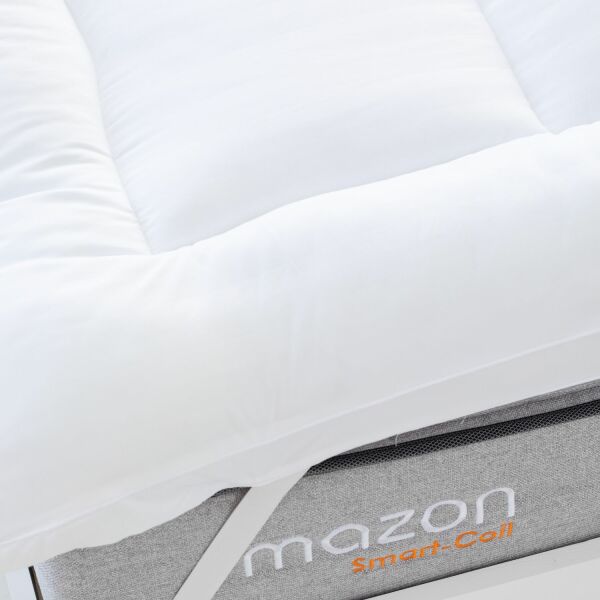
Most toppers are machine washable — check the care label for temperature guidance. A well-fitted topper should stay in place through the night; look for models with elasticated corners or anchor straps if you find your topper shifting. Pair with a mattress protector over the top of the topper to extend its life.